The sages and their traditions.
Every sitting in the Sages catalog comes from a real text by a real teacher. Here is the shelf: twenty-eight traditions, hundreds of voices, and more than a thousand sittings, growing every week.
How the catalog is built
We begin with the texts themselves: scanned public-domain books, scholarly translations whose copyright has lapsed, and openly licensed modern editions. Each source is read closely and the passages that actually teach a practice, or that reward slow contemplation, are carved out. Those passages are then spoken, one section at a time, with silence between them, and every spoken line is verified against the original wording.
We deliberately favor the obscure. The Bhagavad Gita and the Tao Te Ching are here, but so are the Spanda Karikas of Kashmir, the Buddhist Psalms of Shinran, Marguerite Porete's Mirror of Simple Souls, the Bijak of Kabir, Wang Yangming's Instructions for Practical Living, and Tukaram's songs. These are the pieces most at risk of being forgotten, and often the ones that speak most directly.
Sitting counts below are from the live catalog as of September 2026 and change as new pieces are added.
Indian traditions
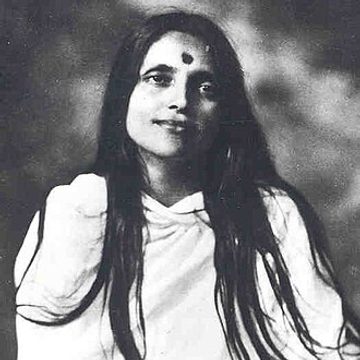
Advaita Vedanta
The non-dual teaching that the Self and the Absolute are one. Shankara's commentaries, the Ashtavakra Gita, Vasistha's Yoga, Ramana Maharshi, Nisargadatta Maharaj, Sri Anandamayi Ma.
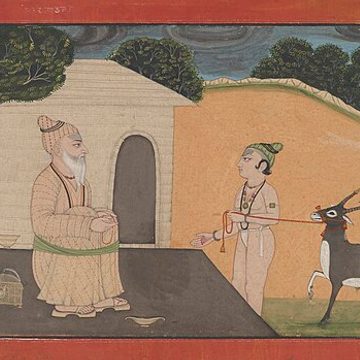
Upanishads & Hindu Scripture
The Bhagavad Gita, the Isha, Chandogya, Taittiriya and Brihadaranyaka Upanishads, the Gospel of Sri Ramakrishna and the talks of Swami Vivekananda.
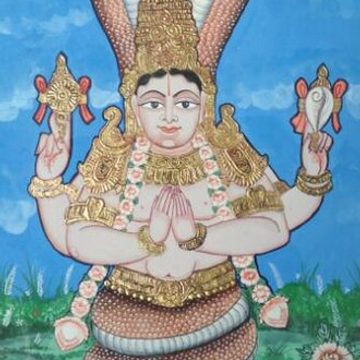
Raja Yoga (Patanjali)
The Yoga Sutras and their classical commentaries: the eight limbs, stilling the movements of the mind, and the practice of one-pointed attention.
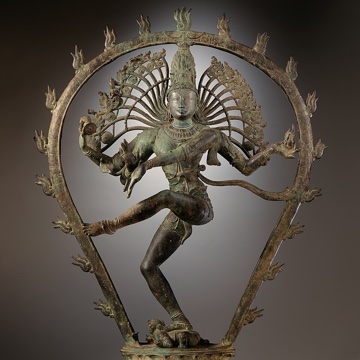
Kashmir Shaivism
The luminous tantric philosophy of the Kashmir valley: the Vijnana Bhairava, the Spanda Karikas, Abhinavagupta, and the fierce, tender poems of Lalla.
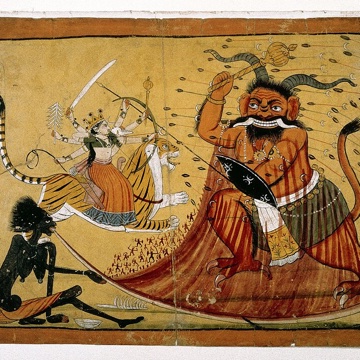
Shakta & Puranic
The Divine Mother as the power of the world. Sir John Woodroffe's studies of Śakti, the Devi Mahatmya, and the devotional and cosmological literature of the Puranas.
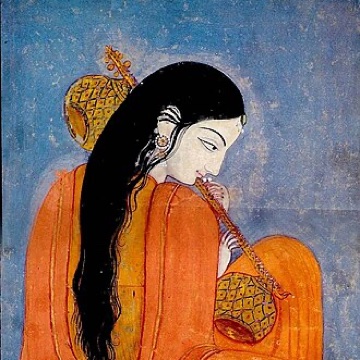
Bhakti & Sant Poetry
The ecstatic devotional poets of medieval India: Mirabai, Kabir, Tukaram, and the Sant tradition of the north, where love is the whole of the path.
Jainism
Non-violence, restraint and the liberation of the soul from the Acaranga Sutra, the Tattvartha Sutra and the Jaina scriptures.
Buddhist traditions
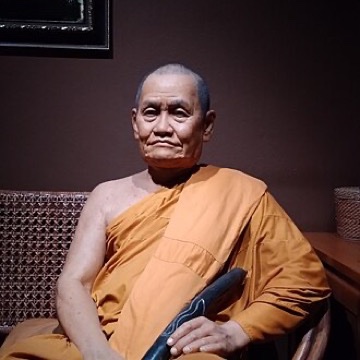
Theravada Buddhism
The oldest surviving Buddhist school. The Anapanasati and Metta Suttas, the Visuddhimagga, Buddhadasa Bhikkhu, Ajahn Chah, Ajahn Maha Boowa and the Thai Forest masters.
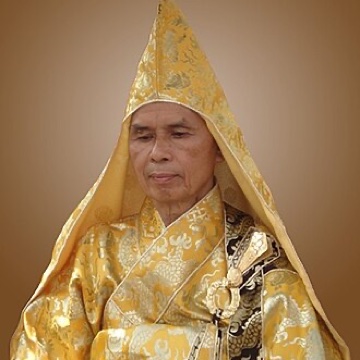
Zen
Dogen's Fukanzazengi, the Hsin Hsin Ming, the Platform Sutra, Huang Po, Hakuin, and Thich Nhat Hanh. Just sitting, and the mind that is Buddha.
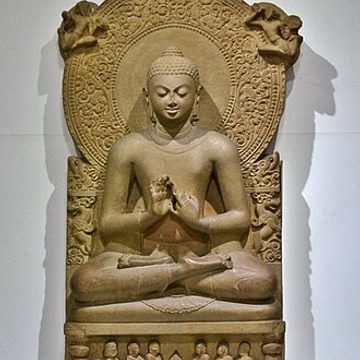
Mahayana Sutras & Treatises
The Diamond Sutra, the Vimalakirti Nirdesa, the Lotus Sutra, the Lankavatara, and Shantideva's Way of the Bodhisattva.
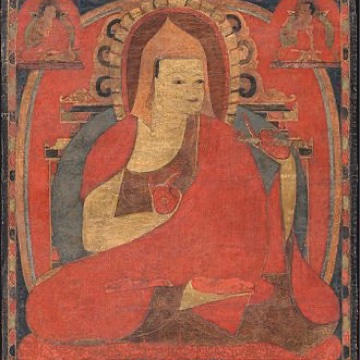
Tibetan Buddhism
Atisha's Lamp for the Path, the lojong mind-training tradition, and the great Tibetan texts on compassion and the stages of the path.
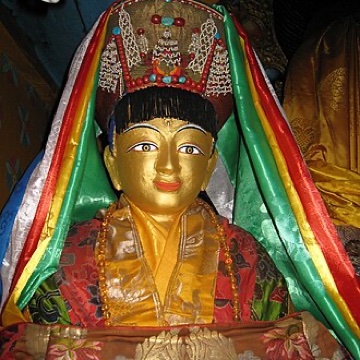
Dzogchen & Mahamudra
The direct pointing-out of the nature of mind: the Hundred Thousand Songs of Milarepa and Longchenpa's Precious Treasury of the Way of Abiding.
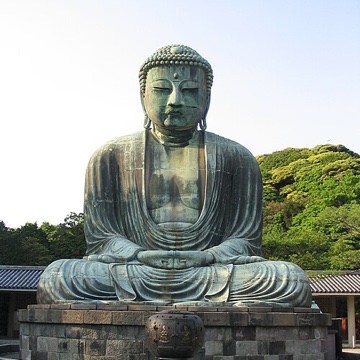
Pure Land Buddhism
The Three Pure Land Sutras and the Buddhist Psalms of Shinran: trust, gratitude, and the contemplation of the Land of Utmost Bliss.
Chinese traditions
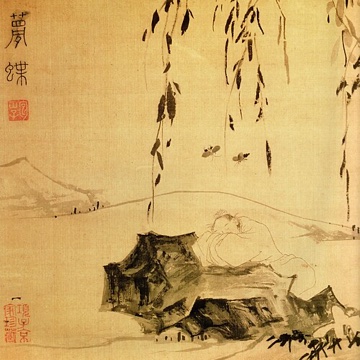
Taoism
Lao Tzu's Tao Te Ching, the parables of the Zhuangzi, and the Secret of the Golden Flower. Effortless action and the way that cannot be named.
Confucian & Neo-Confucian
The Analects, the Great Learning and the Doctrine of the Mean, and Wang Yangming's Instructions for Practical Living on the unity of knowledge and action.
Abrahamic and Western traditions
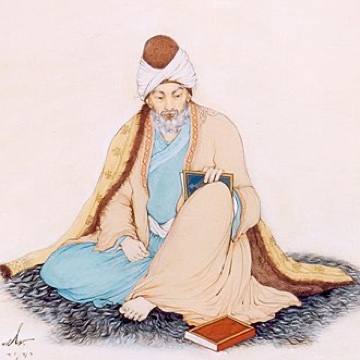
Sufism
The mystical heart of Islam: Rumi, Hafiz, Attar's Conference of the Birds, Ibn Arabi's Bezels of Wisdom, and the early Sufi saints.
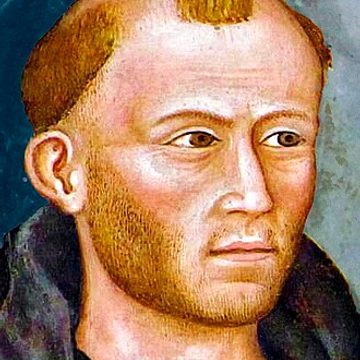
Christian & Gnostic
Meister Eckhart, Teresa of Ávila, Julian of Norwich, the Cloud of Unknowing, Marguerite Porete, the Gospel of Thomas and the Gospel of Mary, and the Quaker journal of George Fox.
Kabbalah & Jewish Mysticism
The Zohar and the Hasidic masters: the hidden light within creation and the practice of cleaving to the Divine.
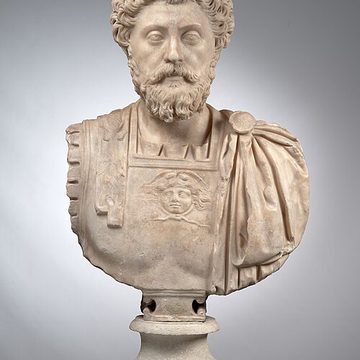
Stoicism
Marcus Aurelius's Meditations, the Discourses of Epictetus, and Seneca on peace of mind. Composure in the face of what we cannot control.
Hellenic & Hermetic
Plotinus's Enneads, Parmenides, Heraclitus, and the Corpus Hermeticum: the contemplative philosophy of the ancient Mediterranean.
Modern and comparative
Transcendentalism & Nature
Emerson's essays, Thoreau at Walden, Whitman's Song of Myself, and John Muir in the mountains of California.
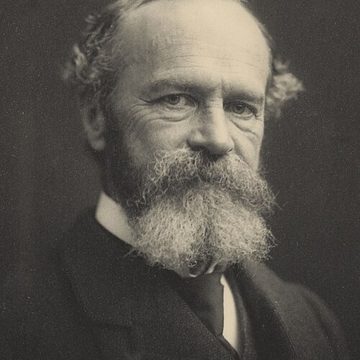
New Thought & Western Metaphysics
William James on the varieties of religious experience, Thomas Troward's Edinburgh Lectures, and the early twentieth-century teachers of mind and spirit.
Modern Mystic Poetry
Tagore's Sadhana and Gitanjali, Kahlil Gibran's The Prophet, and Maeterlinck's Treasure of the Humble.
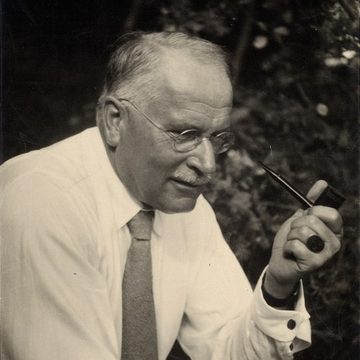
Comparative Mysticism
Evelyn Underhill's Practical Mysticism and other studies of what the traditions share when they speak of the inner life.
Indigenous & Shamanic
Vision, ceremony and kinship with the living world, from the accounts of Indigenous teachers of the Americas as recorded in the early twentieth century.
Ancient Wisdom Traditions
The Egyptian Book of the Dead, the Gathas of Zoroaster, and other contemplative voices from the earliest written record.
Parables & Fables
Contemplation hidden in stories: Alice's "Who in the world am I?", the Wizard of Oz, the Velveteen Rabbit, George MacDonald, Oscar Wilde's Happy Prince.
Sages originals
Our own woven contemplations, composed from several classic sources on a single theme, with every source named.
A sage you would like to hear?
The shelf of unread public-domain wisdom is deep, and listener requests have shaped a good part of the catalog already. If there is a teacher or a text you would love to sit with, tell us.